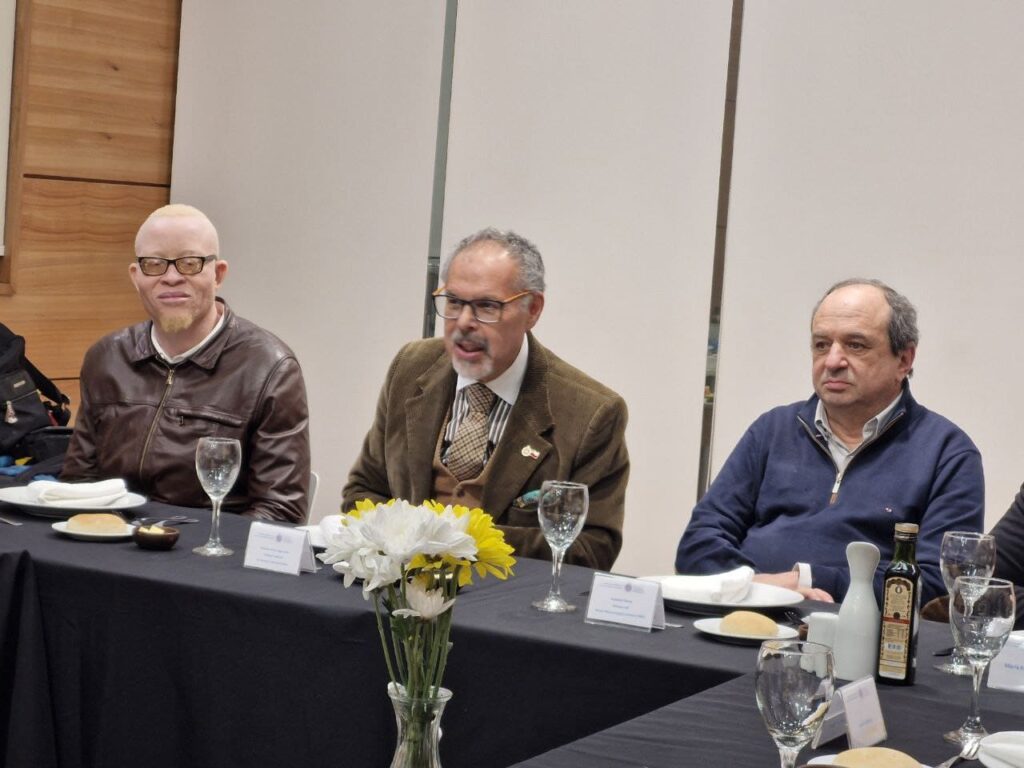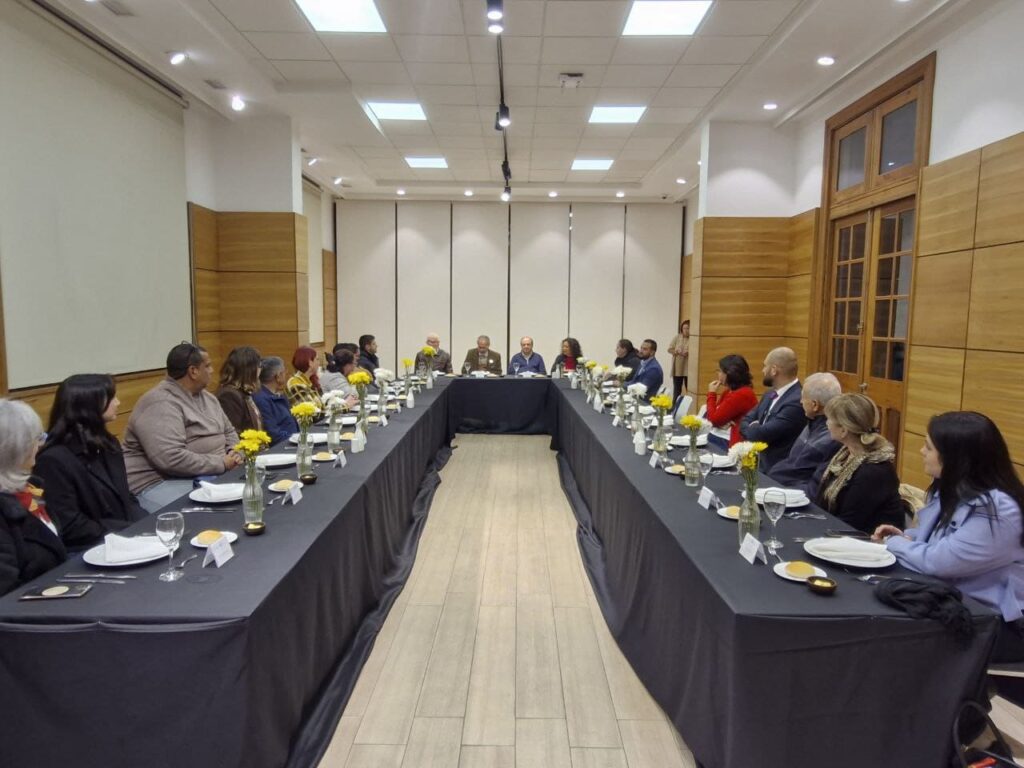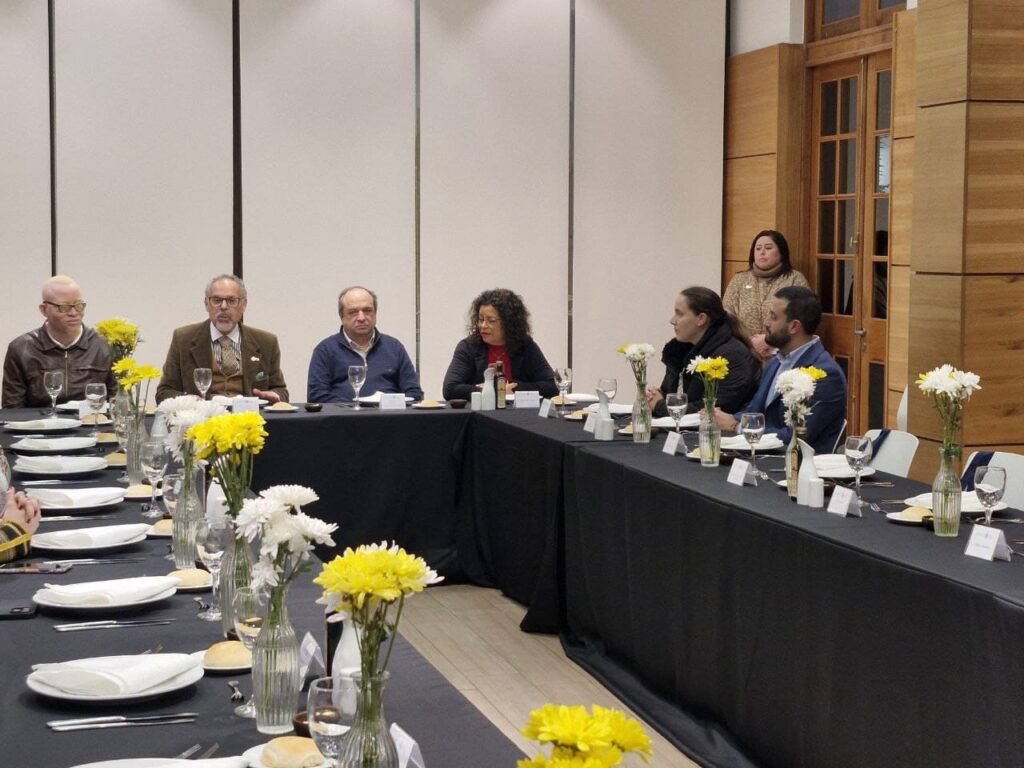
In the framework of the Biofuturo 2025 Summit, the Directorate General of International Affairs (DGAI) of the Pontificia Universidad Católica de Valparaíso received in a special meeting the national and international participants who will be part of this important meeting, with the aim of strengthening collaboration between actors from different countries and to welcome the institutional members of this scientific and academic network.
Between July 22 and 24, the PUCV will host the Biofuturo 2025 Summit, an event organized jointly with the Curauma Biotechnology Nucleus (NBC) and the Ibero-American BioFuturo CYTED Network, which will bring together representatives from the academic, institutional, business and scientific spheres to reflect on the challenges and opportunities of the circular bioeconomy in Ibero-America.
This international event is supported by Corfo, through the Viraliza program, and will bring together experts from more than 10 countries, who will share knowledge and experiences on topics such as the valorization of organic waste, the development of sustainable biorefineries, waste management in agribusiness and the use of tools such as life cycle analysis (LCA) to promote more efficient and environmentally friendly processes.
The Summit will be held at two PUCV venues: on July 23 at the Central House in Valparaíso and on July 24 at the Curauma Campus, while the 22nd will be reserved for internal activities of the Biofuturo Network.
The program includes keynote lectures, panel discussions, networking sessions, master classes and networking spaces, which will strengthen inter-institutional and international cooperation, as well as explore new possibilities for collaboration around the circular bioeconomy.
The event is part of the activities of the Biofuturo CYTED Network, a scientific and technical cooperation initiative financed by the Ibero-American Program of Science and Technology for Development (CYTED), which promotes the development and implementation of biotechnologies aimed at the sustainable management of organic waste in the region.