The Pontifical Catholic University of Valparaíso (PUCV), through its Institute of History and the General Directorate of International Affairs (DGAI), held East Asia Week, an initiative spearheaded by Isabel Cabaña, a scholar at the Institute of History. The event featured a variety of academic and cultural activities aimed at promoting knowledge about China, Korea, and Japan, as well as strengthening the university community’s engagement with these cultures.
The event took place from October 7 to 9 at the University’s Sausalito Campus in Viña del Mar and was supported by the embassies of China, South Korea, and Japan in Chile, as well as ALADAA Chile.
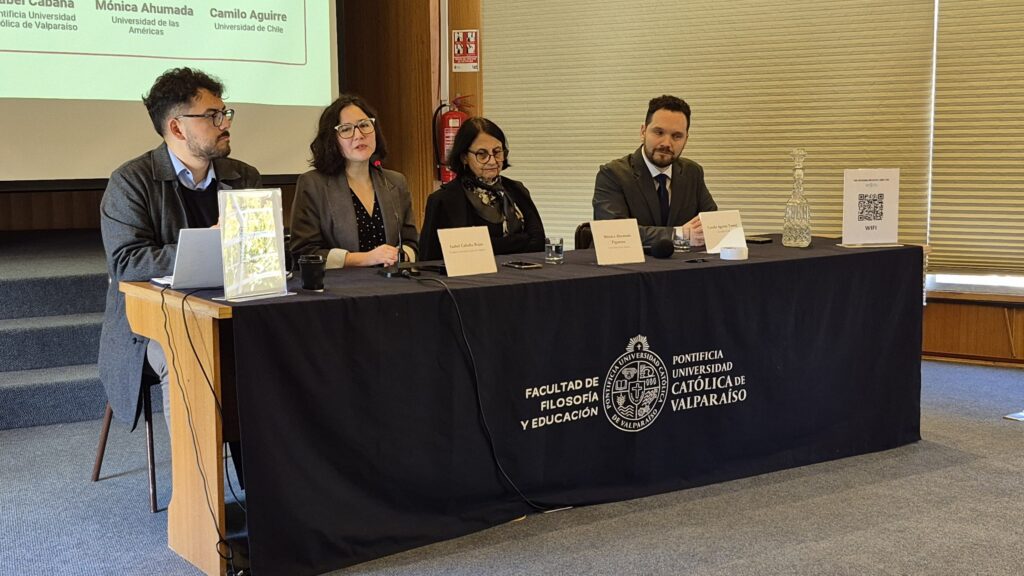
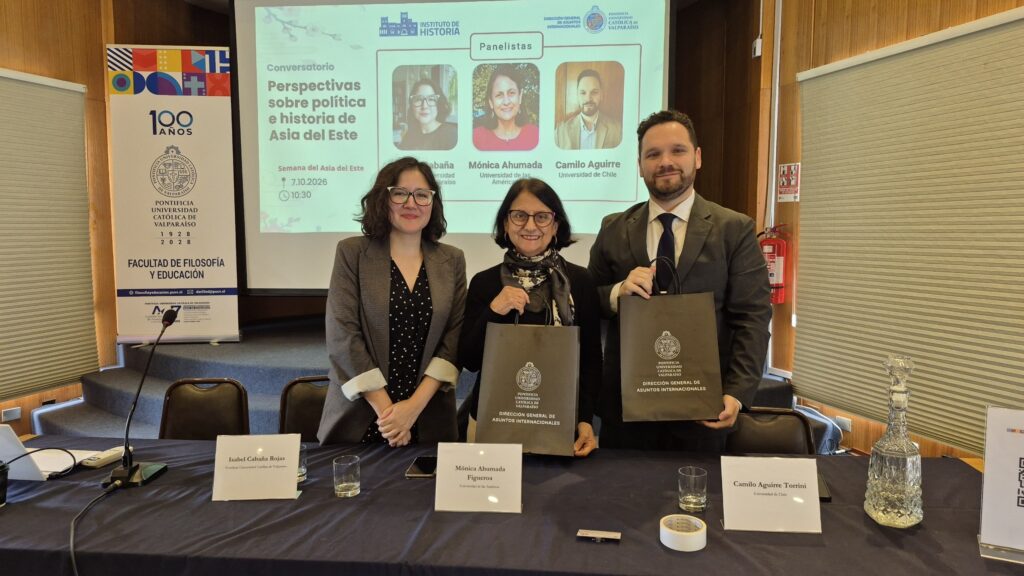
The program began with the panel discussion “Perspectives on East Asian Politics and History,” an event that brought together academic experts to address the historical, political, and social processes of the three countries, offering different perspectives on their development and significance on the international stage.
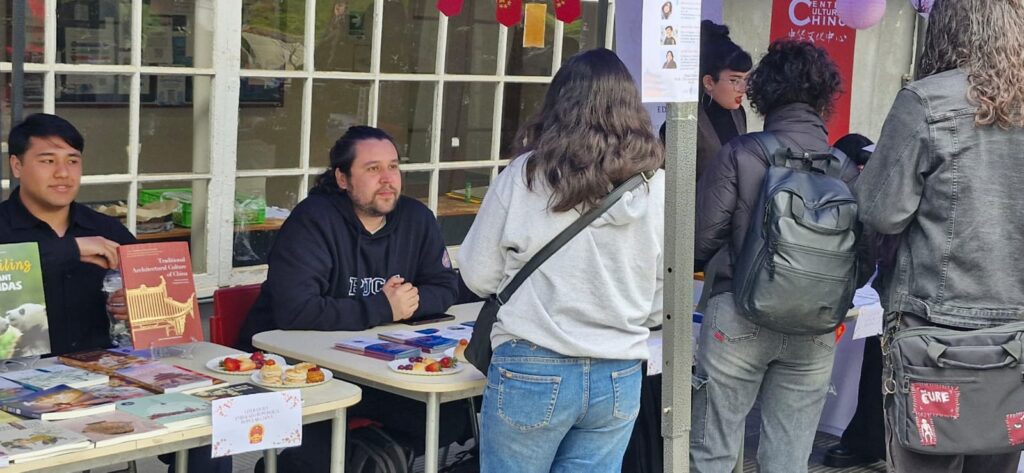
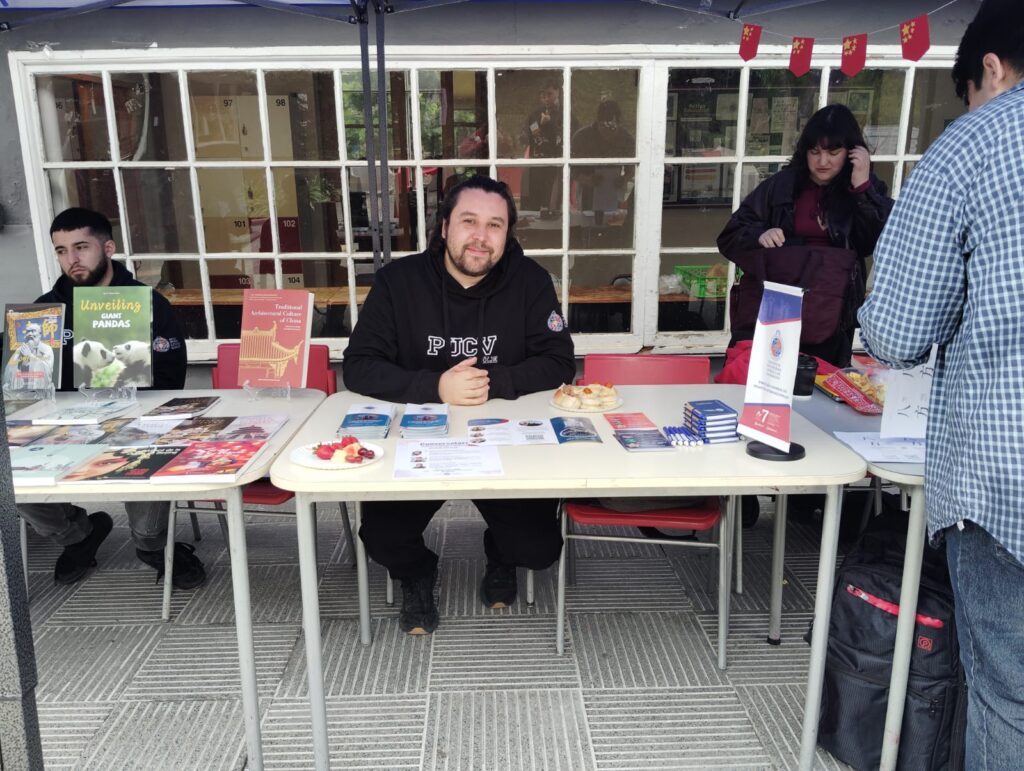
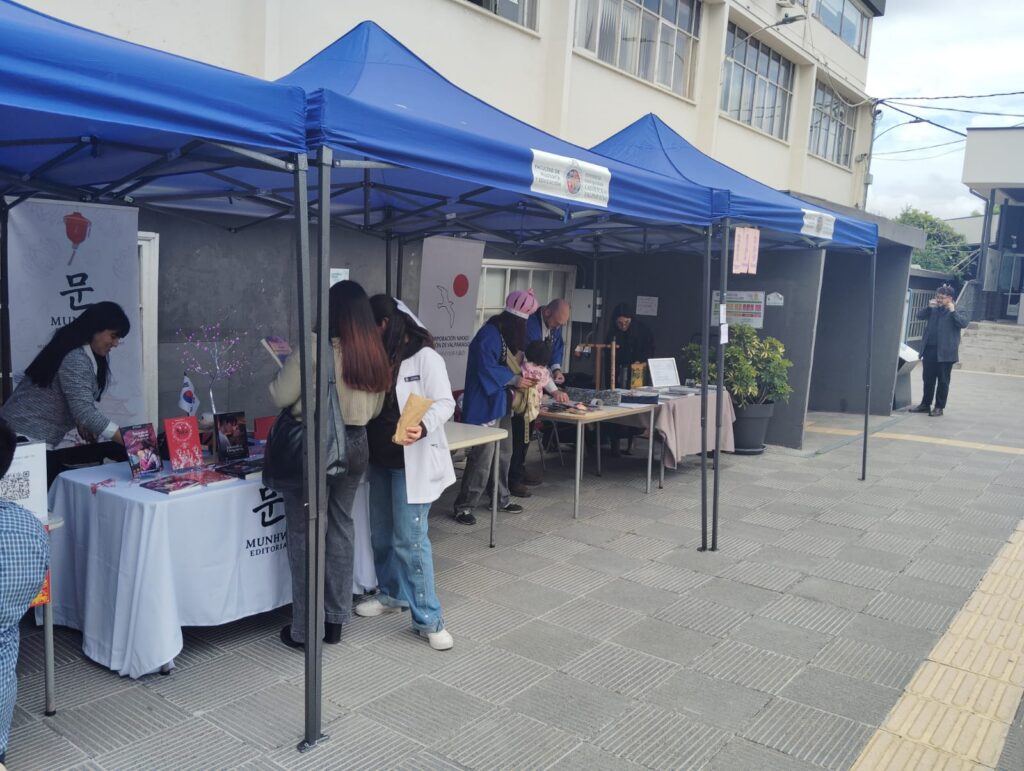
On the second day, a cultural fair open to the community was held, featuring informational booths and demonstrations of traditional Asian arts and customs. The event allowed attendees to learn about different cultural expressions and gain insight into the traditions of China, Korea, and Japan.
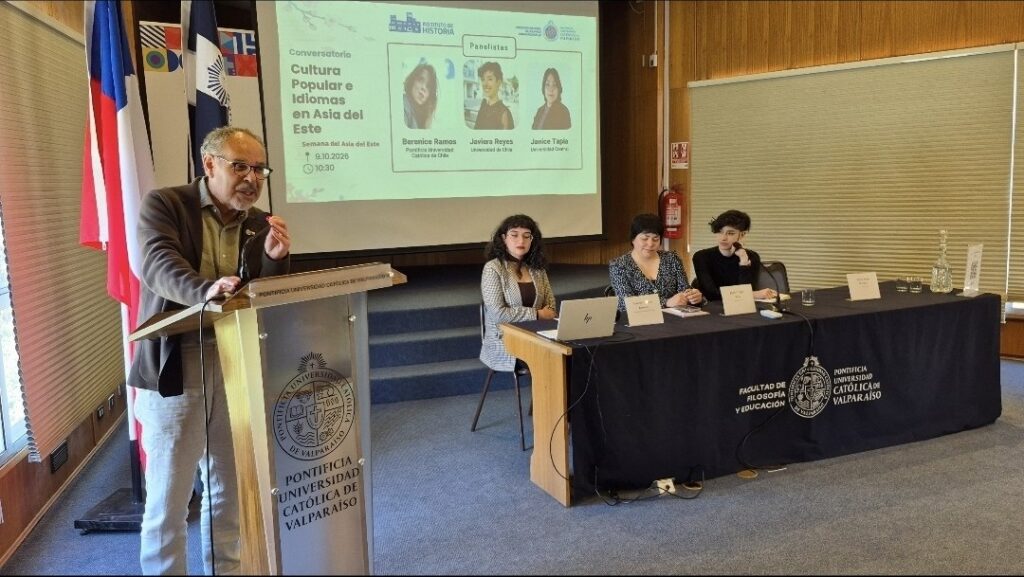
The program continued with the panel discussion “Popular Culture and Languages of East Asia,” during which Chilean scholars analyzed the presence, reception, and influence of cultural expressions from these countries in Chile, highlighting the role of languages and artistic expressions as tools for cultural engagement and exchange.
In addition, film screenings and art exhibitions were held throughout the three-day event, complementing the academic activities with experiences that allowed participants to deepen their understanding of East Asian societies and traditions.
This initiative, promoted by scholar Isabel Cabaña and carried out through a joint effort by the Institute of History and the PUCV’s Office of International Affairs, helped create opportunities for intercultural dialogue, strengthen ties with Asian countries, and expose the university community to diverse cultural expressions from around the world.
Through these types of activities, the University continues to promote internationalization from both an academic and cultural perspective, fostering the exchange of knowledge and building closer ties with regions that play a significant role in the global context.